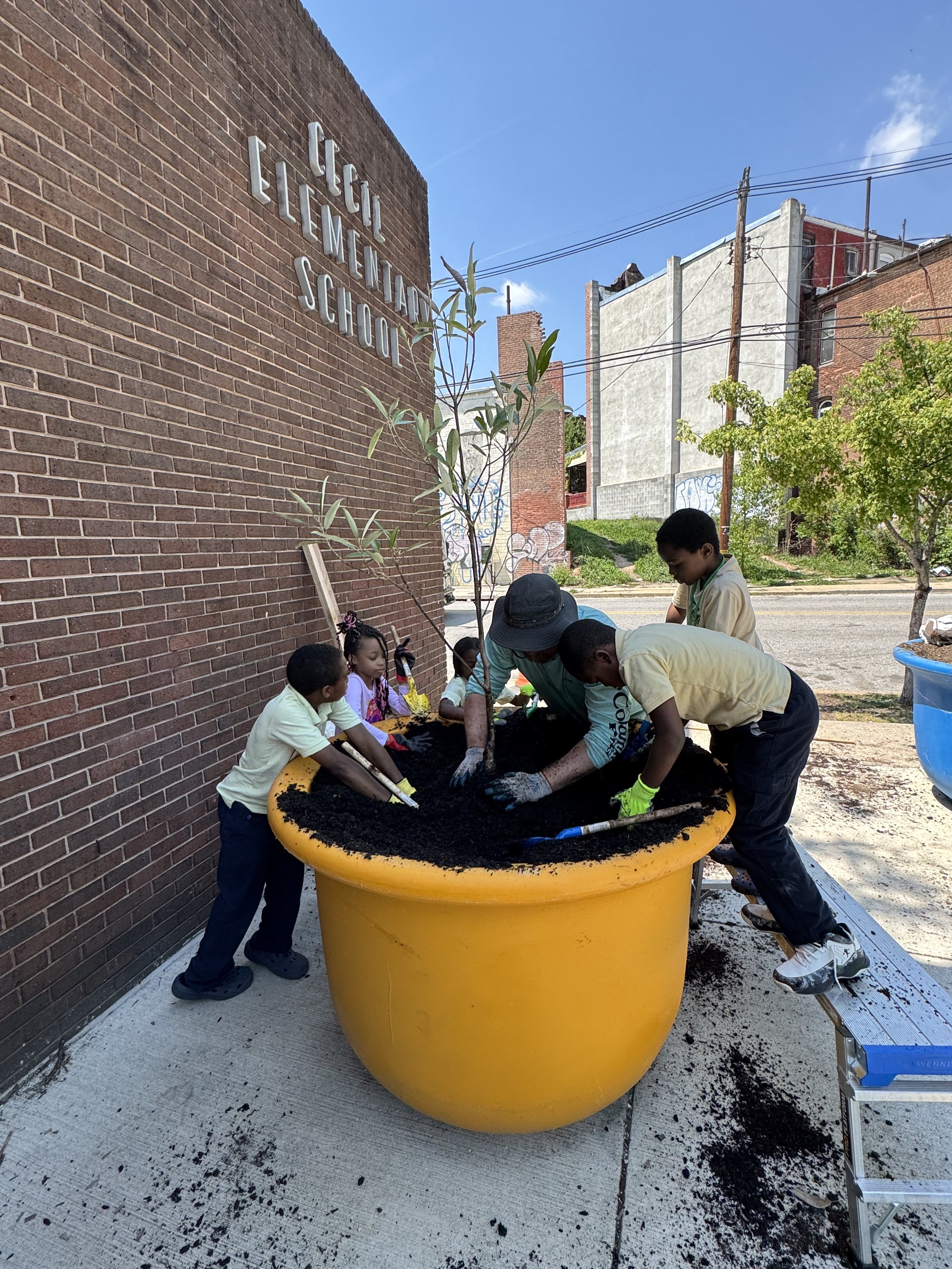
Why Urban Canopy?
-
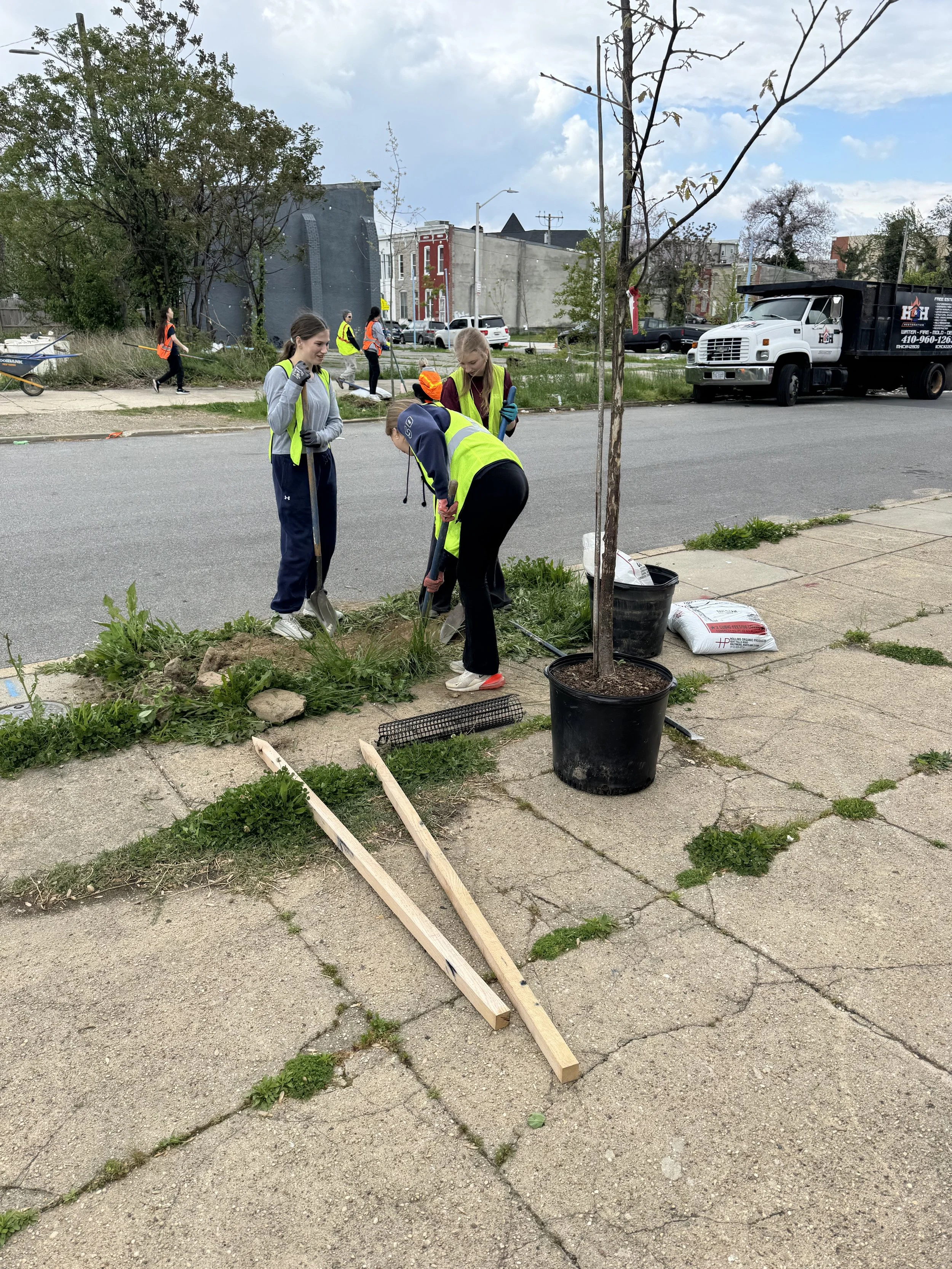
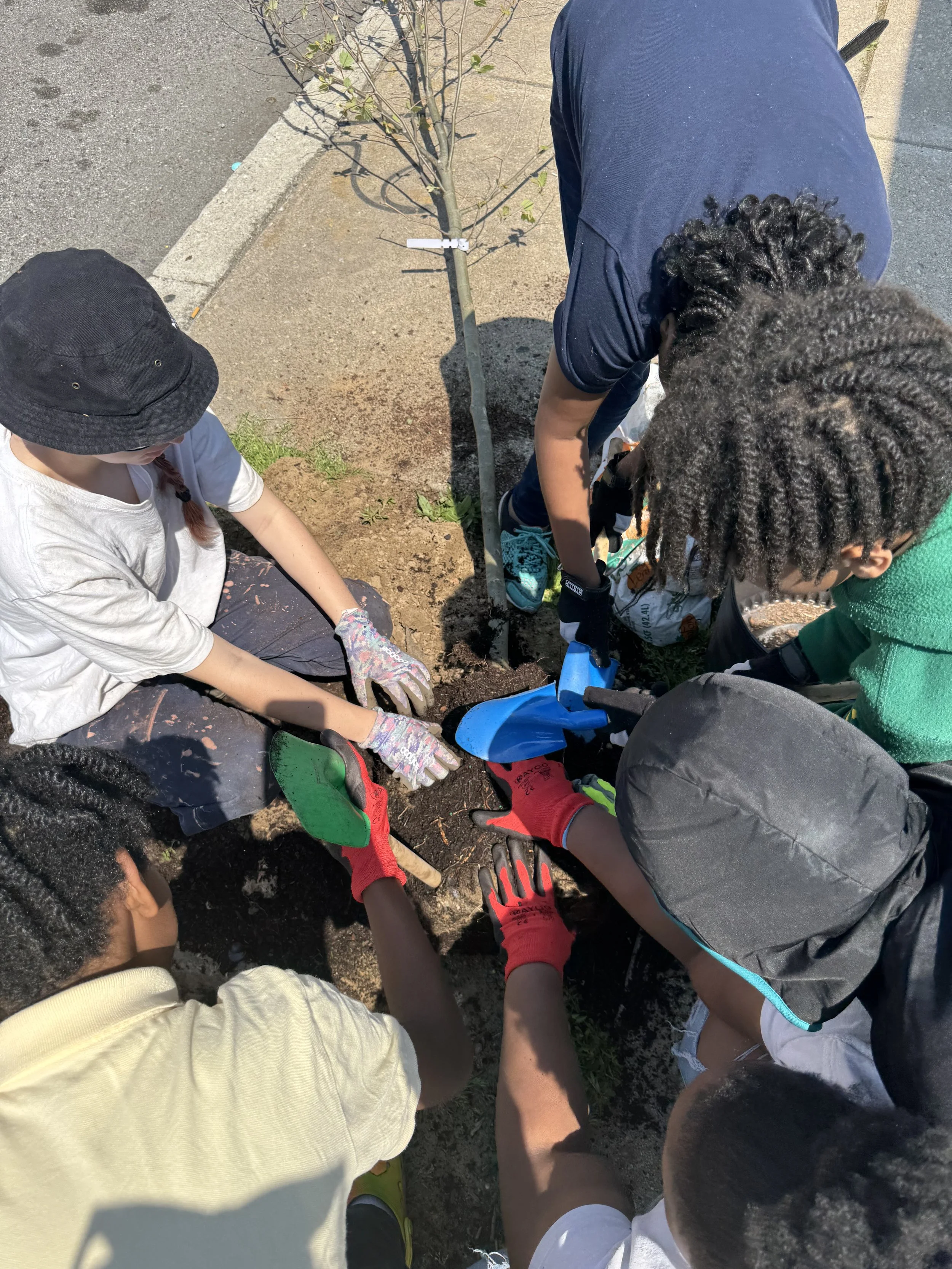
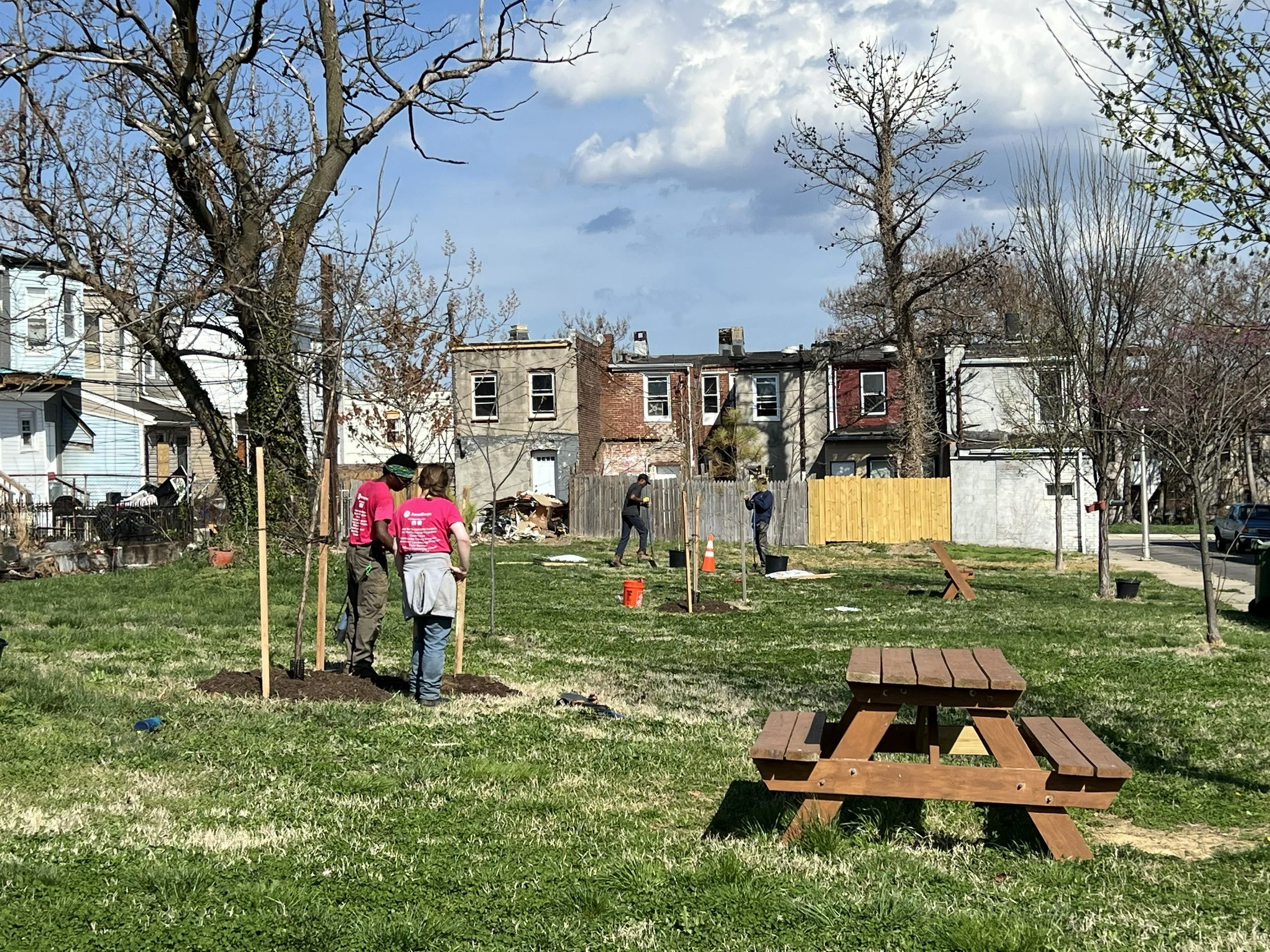
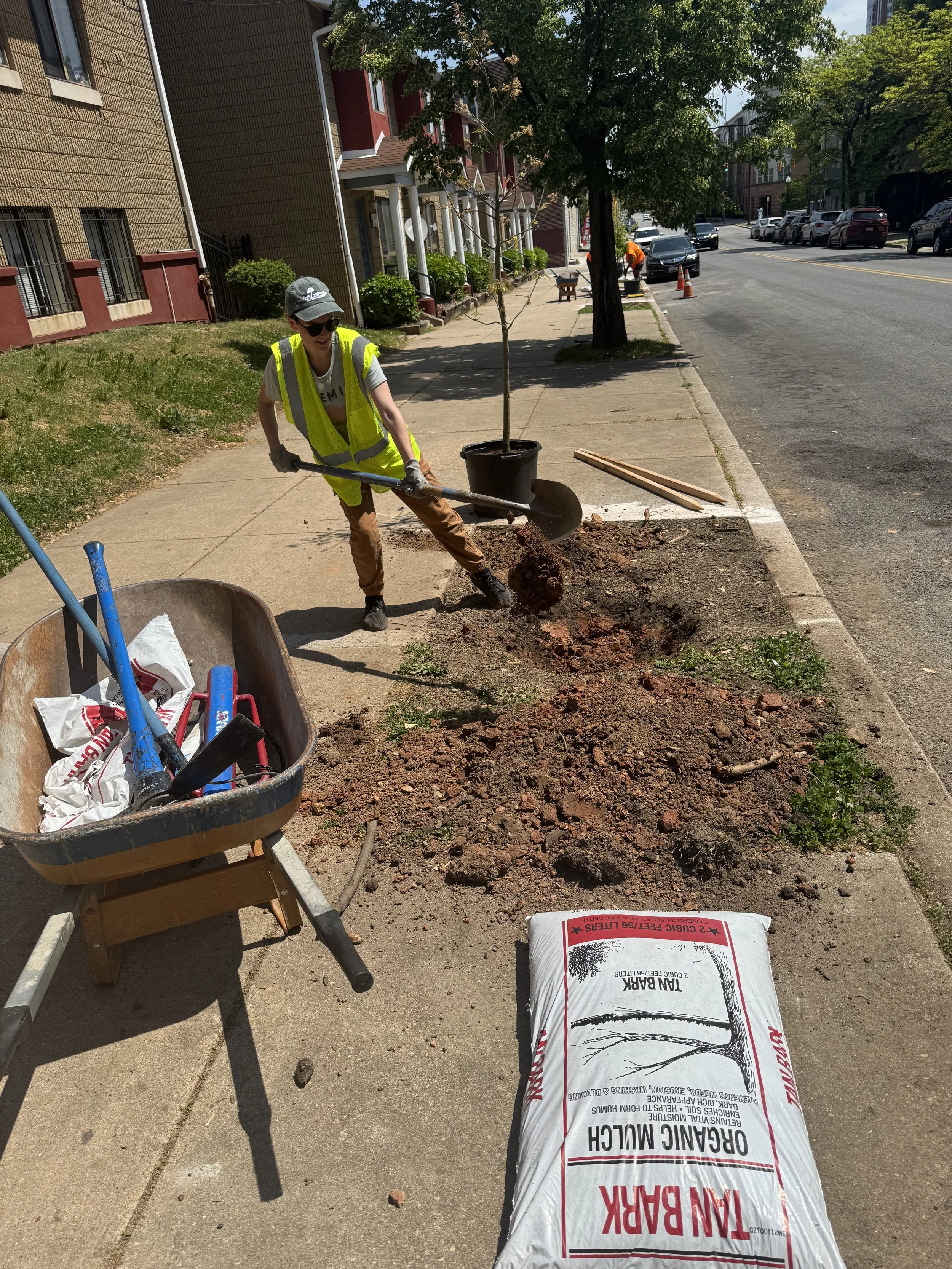
For the past 14 years, T6B has been adding trees to the landscape. But in recent years, we’ve wanted to do even more. Research from the early 2010s confirmed what the communities we work in already knew—they face higher levels of air pollution and extreme heat, which can seriously affect people’s health.
Residents in these neighborhoods are more likely to have chronic breathing problems like asthma and COPD (chronic obstructive pulmonary disease). They also experience dangerously high temperatures, which can lead to heat-related illnesses like heat stroke, heat exhaustion, and heat cramps. These health risks become even worse when combined with air pollution, which is common in many urban areas.
-
In the five neighborhoods where we work, tree canopy coverage is only 10-15%, while other areas have 25-50% coverage. This lack of trees makes a big difference in temperature. On average, the neighborhoods we serve are 10 to 15 degrees warmer than other parts of the city.
These higher temperatures put extra strain on residents' heating and cooling systems, leading to higher electricity bills.
-
Baltimore City aims to increase its tree canopy to 40% by 2037. Currently, the city's tree canopy stands at approximately 27.4%.
Maryland has set a goal to plant and maintain 5 million native trees by 2031. This initiative focuses on planting trees in underserved urban communities to promote tree equity.
These efforts are part of broader plans to enhance environmental health and community well-being.